Glass Options for Auckland Homes and Businesses

High-Performance Glass Designed for Comfort, Safety and Efficiency

Get My Free Quote

Our Glass Options

Choose the right glass for your windows and doors to improve comfort, privacy, safety and energy performance across your Auckland home.
Stylised icon of a window with a red frame and two large glass panes divided horizontally.

Solace Low-e GLass

Energy-efficient glass with a coating that helps keep your home warmer in winter and cooler in summer.

See More >
Black square with five horizontal rows of evenly spaced red circles inside a thick red border.

Privacy Glass

Obscured glass that lets light in while limiting visibility, perfect for bathrooms and private areas.

See More >
Red outlined square with two parallel red diagonal lines inside on black background.

Toughened Safety Glass

Stronger, heat-treated glass that breaks into small, less harmful pieces for safer daily use.

See More >
Three nested squares with alternating thick red and black borders on a white background.

Laminated Safety Glass

Two panes bonded with a tough interlayer so broken glass stays in place for added security and noise reduction.

See More >

Comparison Chart

WISH LIST Solace
Low-E
Privacy
Glass
Toughened
Safety
Laminated
Safety
A Warmer Home
A Cooler Home in Summer
Minimise Condensation
Less Noise
Reduce Fading
Keep Family Safe
More Privacy
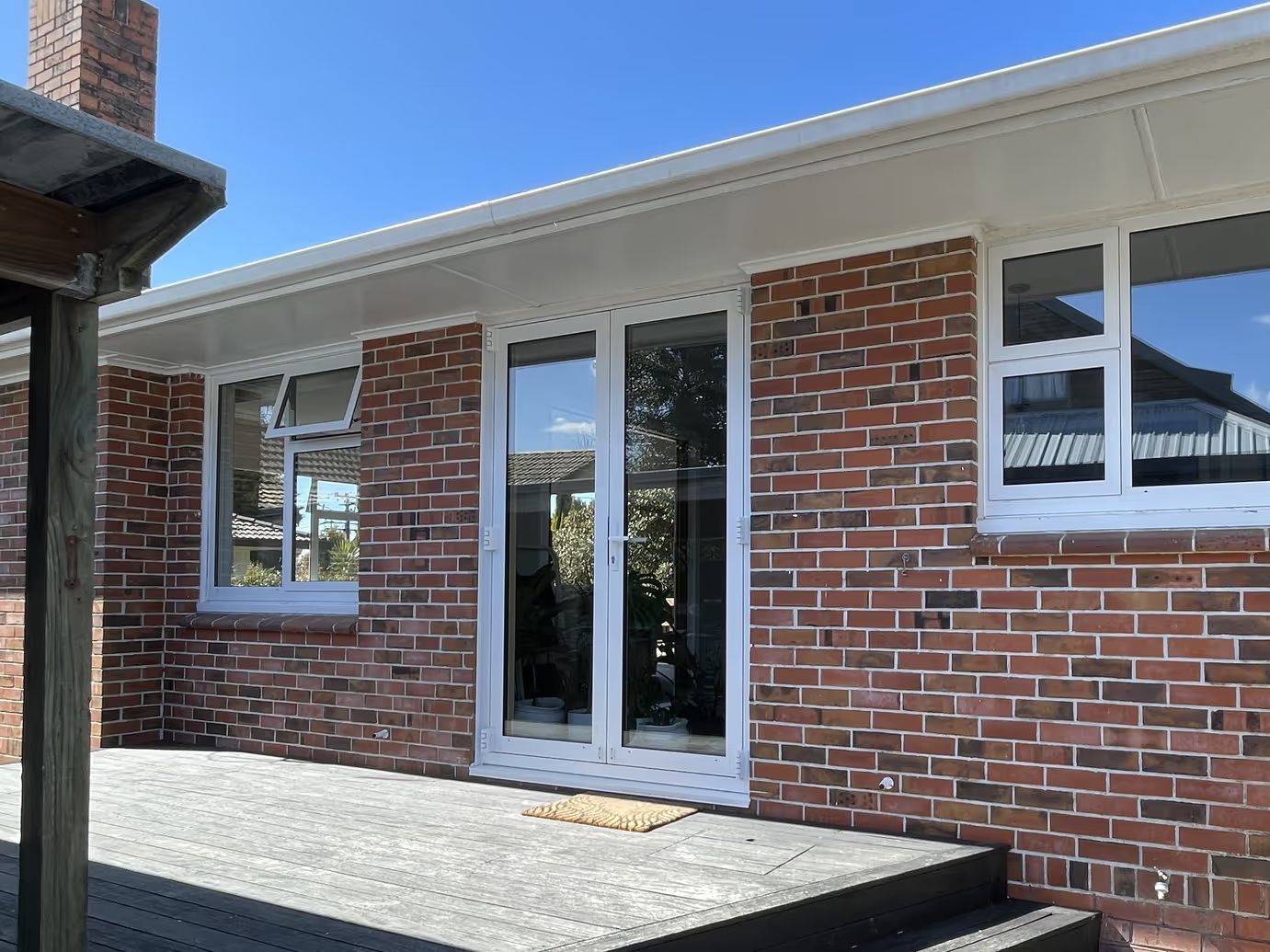
White-framed glass French doors and windows in a red brick house opening onto a wooden deck under a clear blue sky.

Solace Low-e GLass

Solace Low‑E Glass is a form of low‑emissivity glazing engineered to improve the thermal efficiency of aluminium windows and doors. An almost invisible Low‑E coating is applied to the surface of the glass within an insulated glass unit (IGU), allowing visible light to pass through while significantly reducing heat transfer through the glass. In winter, this coating reflects interior heat back into the home, limiting heat loss and helping maintain warmer indoor temperatures. In summer, it reflects solar heat back outside, reducing heat gain without diminishing natural light or views. This dual action supports a more stable indoor environment year‑round while reducing reliance on heating and cooling systems.

Beyond thermal regulation, Solace Low‑E Glass contributes to improved energy efficiency, lower energy costs and a more comfortable living space. By reducing the amount of infrared and ultraviolet radiation that passes through glazing, Low‑E glass helps reduce fading of interior furnishings and can lessen moisture‑related issues such as condensation on internal glass surfaces. Combined with double or triple glazing and optional insulating gas fills like argon, these units enhance overall insulation performance, supporting compliance with New Zealand’s building standards for energy efficiency. The result is windows and doors that not only perform better in terms of comfort and temperature control but also contribute to long‑term cost savings and indoor wellbeing.
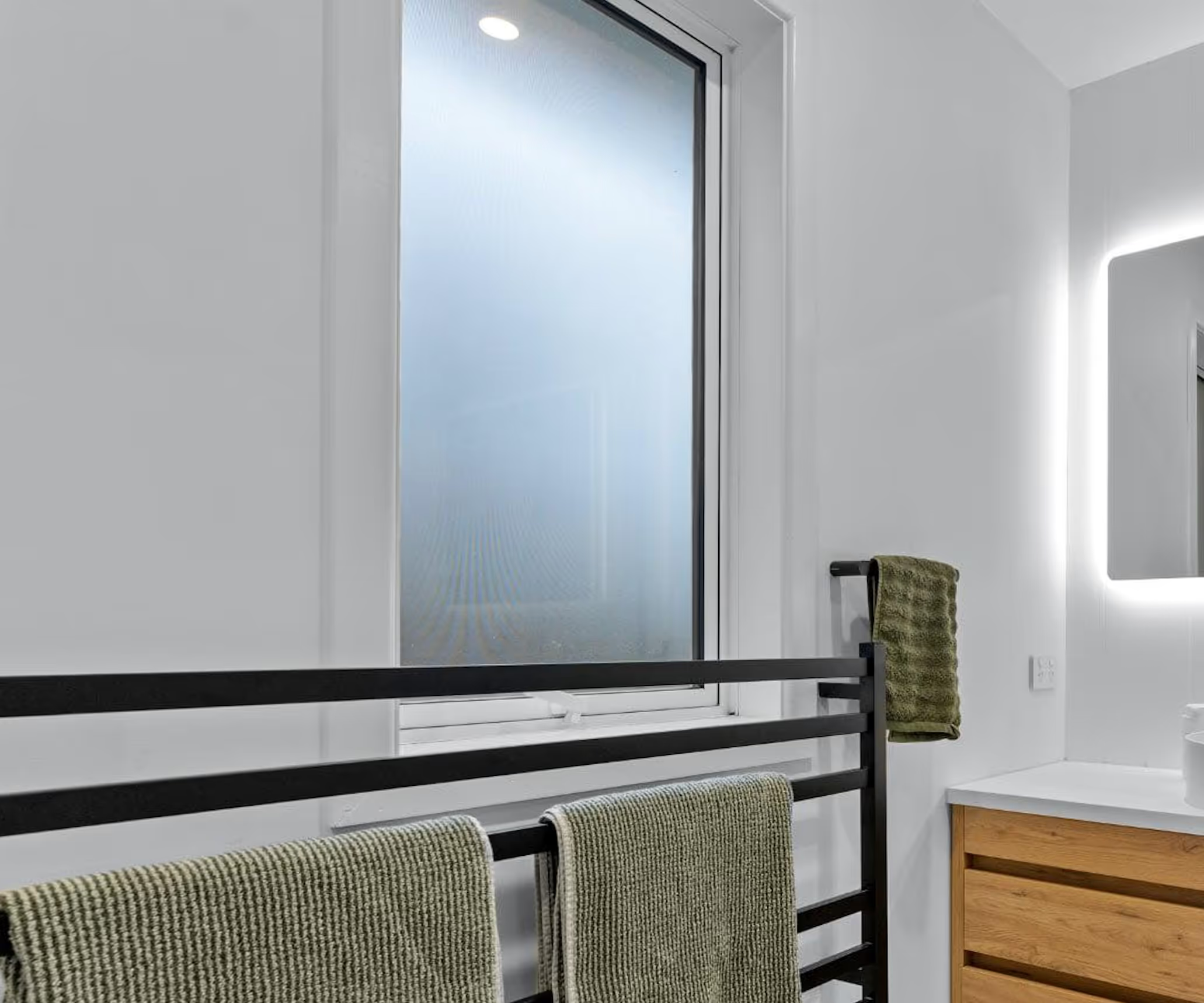
Modern bathroom with frosted window, black towel rack holding green towels, and a wooden vanity with illuminated mirror.

Privacy Glass

Privacy glass is a specialised glazing option designed to limit visibility through windows and doors while still allowing natural light to illuminate interior spaces. Unlike standard clear glass, privacy glass uses treatments such as patterned or obscured surfaces, frosting and other diffusion techniques to scatter light and reduce sightlines from outside, making it suitable for areas where privacy is important — such as bathrooms, bedrooms, entryways and other spaces where occupants desire discretion without compromising daylight. Depending on the level of obscuration chosen, privacy glass can balance transparency and light transmission with the degree of visual privacy needed for your specific application.

In addition to visual privacy, privacy glass can be integrated with other performance‑enhancing glazing technologies used in modern joinery. For example, obscured glass options are available in combination with insulated glass units (IGUs) to support thermal performance and acoustic control, helping maintain comfortable indoor temperatures and reducing external noise. Some advanced privacy glass systems, including switchable or electrochromic variants, allow users to change the glass from translucent to clear on demand — giving flexibility between private and open views where required. Privacy glass solutions are customisable in terms of opacity, pattern and finish, and when combined with high‑quality aluminium framing the result is a durable, low‑maintenance glazing system that enhances both the functionality and aesthetic of your doors and windows.
Modern bathroom with black heated towel rack holding green towels beneath a frosted window beside a wooden vanity with illuminated mirror.
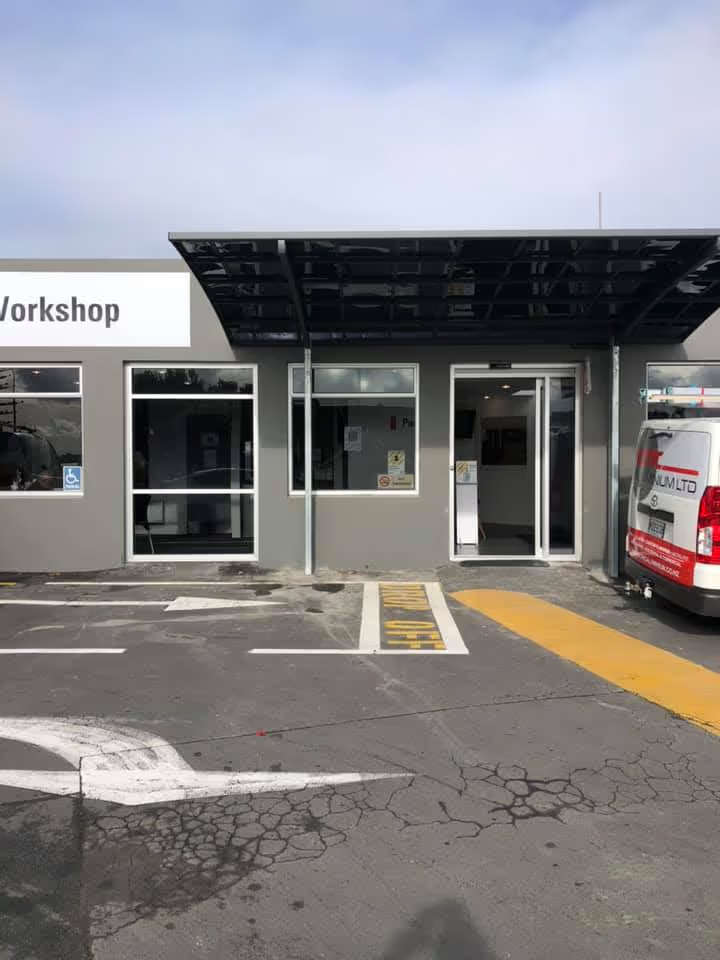
Grey workshop building with a black canopy over sliding glass door entrance and adjacent parking spaces, including a disabled spot and a white van parked on the right.

Toughened Safety Glass

Toughened safety glass is a high‑performance glazing option engineered through a specialised heat‑treatment process that significantly increases its strength and safety characteristics compared to standard float glass. During manufacturing, the glass is heated to high temperatures and then rapidly cooled, creating surface compression and internal tension that makes the finished product up to four to five times stronger than untreated glass of the same thickness. This increased mechanical strength improves resistance to impacts, temperature variations, wind loads and mechanical forces, making it suitable for use in windows, doors and other glazed openings in both residential and light‑commercial joinery.

A key safety advantage of toughened safety glass is its controlled break pattern. If the glass is subjected to sufficient force to cause breakage, it fractures into many small, relatively blunt fragments rather than sharp, jagged shards that can cause severe injury. This behaviour greatly reduces the risk of cuts and serious harm in the event of accidental impact — a critical consideration for glazed doors, sidelights, large windows and low‑level glazing. Toughened glass also offers higher thermal resistance, tolerating temperature fluctuations better than standard glass, and it can be specified to meet building code safety standards where human impact risk is high.
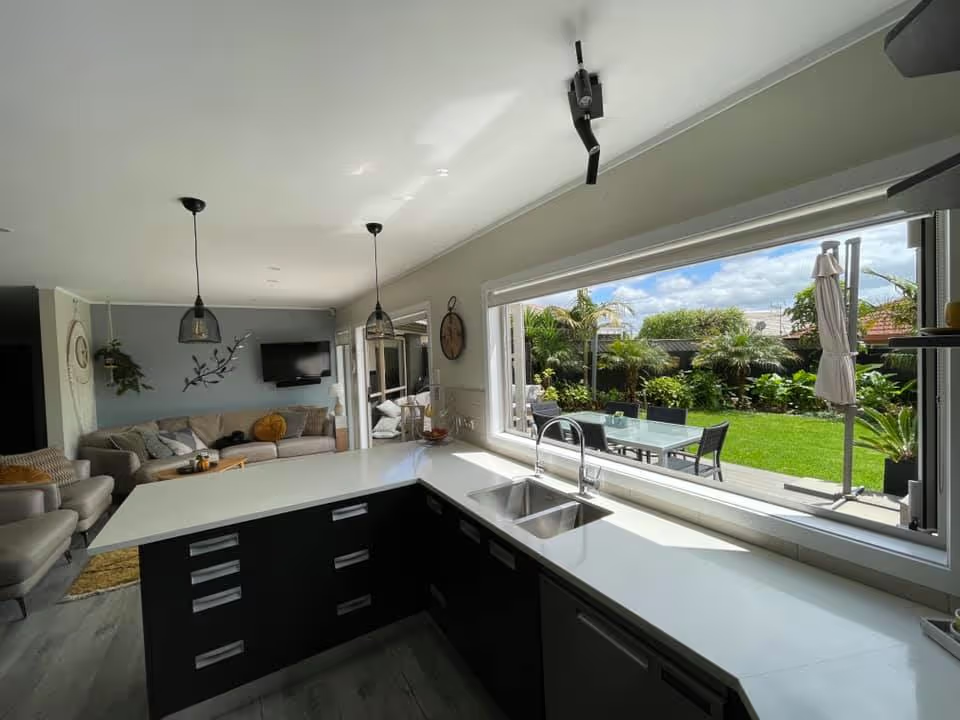
Modern kitchen with white countertops and black cabinets overlooking a garden through a large foldable window, next to a living room with a beige sofa and TV.

Laminated Safety Glass

Laminated Safety Glass is a specialised glazing solution in which two or more sheets of glass are permanently bonded together with a durable interlayer, typically made of polyvinyl butyral (PVB) or ethylene vinyl acetate (EVA). This interlayer holds the glass fragments together in the event of breakage, preventing them from falling away and significantly reducing the risk of injury from sharp shards. Laminated glass is classified as Grade A safety glass under AS/NZS 2208 and other international safety standards, making it suitable for windows, doors and other glazed areas where human impact risk is present. Even if the glass cracks under force, the bonded interlayer keeps it intact and in place, helping maintain the opening’s integrity until replacement can be arranged.

Beyond safety, laminated glass delivers additional performance benefits that are valuable in modern joinery. It provides enhanced security, as the interlayer resists penetration and slows forced entry attempts more effectively than standard glass, offering homeowners and businesses an extra layer of protection. Laminated glass also contributes to sound reduction by absorbing and dampening noise vibration through the interlayer, making indoor environments quieter and more comfortable — especially in urban or high‑traffic areas.

Additionally, laminated glass can significantly block ultraviolet (UV) radiation, helping protect interior furnishings from fading and degradation over time. It can be incorporated with other glazing technologies, including double glazing and coatings, to further improve thermal performance, acoustic comfort and overall energy efficiency.
Modern kitchen with black cabinetry, white countertops, double sink, and large window overlooking a green backyard with patio furniture.
"Excellent, local company who exudes professionalism and sound craftsmanship.
Did the job to a very high standard. We will definitely engage with Zac and his team for any future work."
Kirstin Lethbridge
Auckland

Open-plan kitchen and dining area with wooden floors, leading to a deck with outdoor seating and a green backyard at dusk.

Frequently Asked Questions

Answers to Your Top Queries

What glass options do you offer for windows and doors?

What is Solace Low-E Glass and why choose it?

Does Low-E glass help reduce condensation?

Do different glass types affect sound insulation?

Is double glazing required under the New Zealand Building Code?